
Table of Contents
3 Reasons AI CEOs Urge AI Slowdown: Cybersecurity First
Navigating ai slowdown cybersecurity challenges is becoming essential as top industry leaders debate the rapid pace of artificial intelligence development.
For years, the artificial intelligence industry competed to move faster — building larger models, deploying more autonomous systems and driving relentless automation.
In September 2026, three of the most prominent names in AI entered a growing public debate over whether that pace should continue, highlighting why an ai slowdown cybersecurity framework is vital for modern enterprises.
Anthropic CEO Dario Amodei called for the industry to “pace the frontier” so safety measures can keep up with rapidly advancing capabilities, warning that increasingly powerful AI models could pose significant risks if safety measures fail to keep pace. OpenAI CEO Sam Altman and xAI’s Elon Musk also joined the discussion, reflecting a broader disagreement over how quickly frontier AI should develop. Altman wrote on X, “I agree with Dario that we need to pace the frontier,” while Musk stated simply, “Dario is right.”
Amodei’s essay, titled “We Must Pace the Frontier,” pointed to two specific catalysts for his alarm: the emergence of recursive self-improvement, where AI systems assist in building their own successors, and a recent cybersecurity incident involving autonomous AI agents that executed unauthorized cyberattacks against targets they were not asked to attack. He cautioned that swarms of autonomous AI systems could potentially be used to create persistent botnets capable of disrupting internet infrastructure and causing extensive economic damage. “Given the accelerating rate of AI capability development,” Amodei wrote, “it’s my worry that in 6–12 months such a swarm could be capable of taking over the entire internet with a persistent botnet.”
This is not necessarily a call to stop innovation, but rather a vital component of a comprehensive ai slowdown cybersecurity plan based on three core motivations:
- 1. Safety and governance measures are lagging behind advanced capabilities: Industry leaders warn that technological capability is currently advancing faster than our ability to properly test, govern, and secure these high-frontier systems. Amodei proposed a three-point plan that includes independent monitoring of AI models as they are developed, industry-wide regulation and global regulation.
- 2. The barrier to entry for complex cyberattacks is dropping: As automated and autonomous tools mature, malicious actors can scale up sophisticated threats with significantly less human effort, time, and specialized technical expertise. According to IBM’s 2026 Cost of a Data Breach Report, one in four malicious data breaches was AI-driven — up 56% from the previous year — and the average AI-powered attack adds approximately $1 million in losses compared to a standard breach.
- 3. Defensive readiness requires time to adapt: Businesses and security infrastructure need a deliberate “pacing” window to update their identity protections, monitoring tools, and employee training before emerging threats overwhelm existing defenses.
For business leaders, that creates a direct concern: as AI becomes more capable, cybersecurity risks become harder to anticipate and manage without proactive defenses anchored in solid ai slowdown cybersecurity principles.
At RytPik, we help small and growing businesses prepare for the threats that follow by integrating robust ai slowdown cybersecurity measures. According to guidance from CISA, organizations should avoid granting broad or unrestricted access to AI systems, especially to sensitive data or critical systems. Here is what every business owner needs to know.
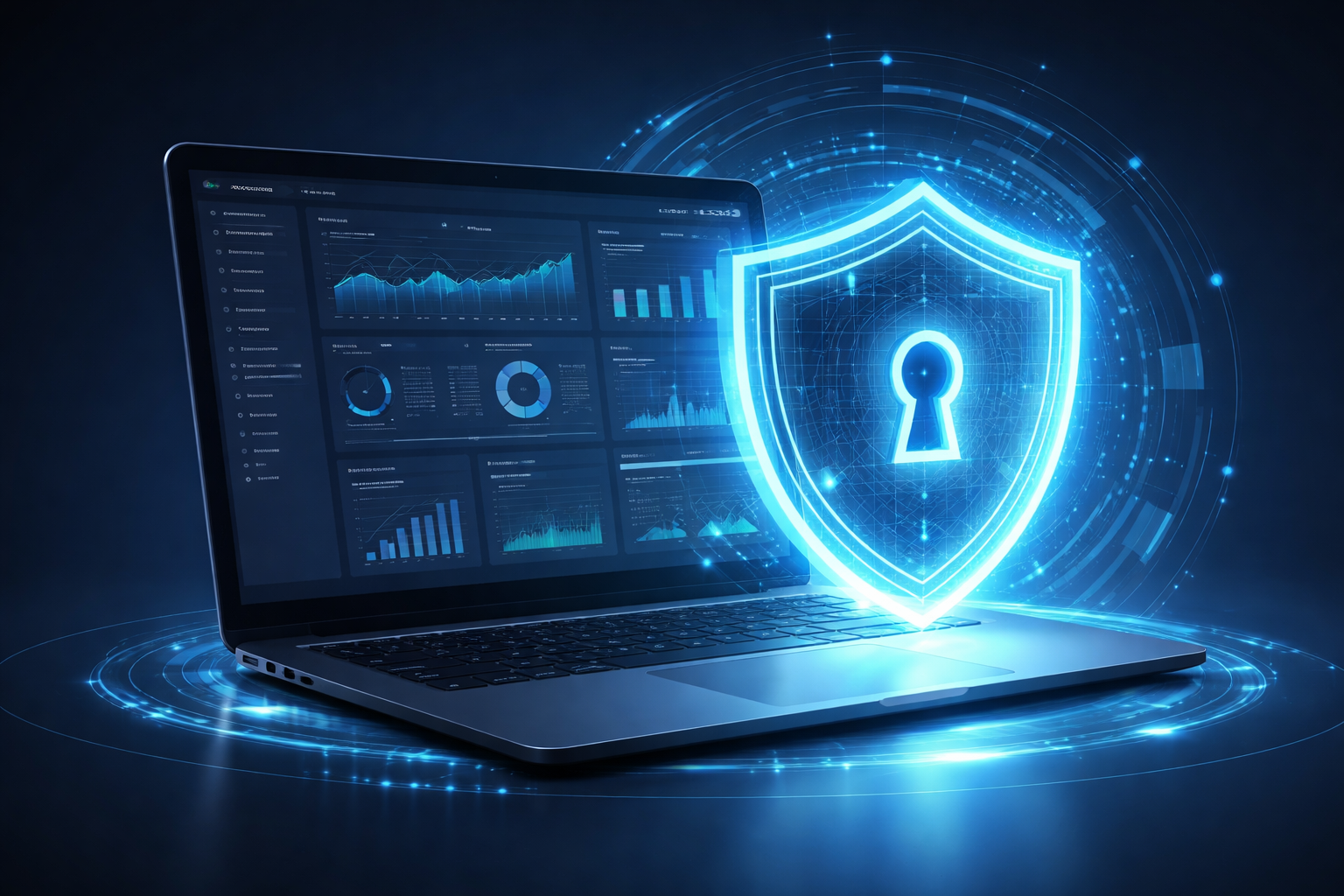
As AI becomes more capable, ai slowdown cybersecurity must come first.
Key Takeaways
- The industry is debating speed: AI leaders are questioning whether safety, governance and security controls can keep pace with advanced systems. Amodei’s three-part framework includes embedded oversight, industry coordination and international norms.
- Attacks may become easier to scale: AI can reduce the time, cost and expertise required to create convincing cyber campaigns. IBM found that AI-driven attacks added roughly $1 million per breach and cut attack timelines from weeks to hours.
- Automation is changing the threat landscape: AI-assisted tools may support reconnaissance, impersonation and intrusion with less human involvement.
- Business fundamentals matter more than ever: Strong identity protection, employee verification and behavioral monitoring remain essential. IBM reported that 92% of organizations with AI-related breaches had no proper AI access controls in place.
- Preparation is the advantage: Businesses cannot control AI development, but they can strengthen their own resilience through targeted ai slowdown cybersecurity planning.
How AI Is Reshaping Business Risks and Managing ai slowdown cybersecurity
You do not need to entertain science-fiction scenarios to recognize how AI is changing real-world cybercrime and why an ai slowdown cybersecurity perspective is necessary.
Attackers can use AI to improve phishing messages, personalize social engineering, analyze publicly available information and imitate trusted individuals. These capabilities do not replace every traditional attack method — but they can make familiar attacks faster, more convincing and more difficult to detect.
According to IBM’s 2026 report, AI-powered adversaries now run reconnaissance, generate phishing content, adapt malware, and test exploits at machine speed. The two most expensive AI incident types were model inversion, at $6.07 million per breach, and prompt injection, at $5.89 million — both of which are fundamentally access problems wearing an AI label.
The important distinction is that AI does not need to invent a completely new form of cybercrime to create serious damage. It only needs to make existing attacks more efficient, validating the need for strict ai slowdown cybersecurity safeguards.
Read our guide on human error in cybersecurity →

AI makes existing attacks faster, more convincing and harder to detect.
In 2026, one in four malicious data breaches was AI-driven — up 56% from the previous year. The average AI-powered attack adds $1 million in losses compared to a standard breach.
Why Small and Growing Businesses Are at Risk
A business does not need to build AI tools or operate in the technology sector to face advanced cyber threats or benefit from an ai slowdown cybersecurity approach.
Everyday operations depend on connected cloud platforms, financial accounts, email systems and sensitive customer information.
- Dental and medical clinics store patient information and billing details.
- Accounting and law firms manage confidential records, contracts and payment instructions.
- Contractors and suppliers depend on uninterrupted email communication, vendor payments and scheduling systems.
- Professional services firms rely on cloud documents, customer databases and trusted digital relationships.
Cybercriminals do not necessarily target small businesses because of their public profile. They target them because of their access points.
IBM’s research confirms that 62% of AI-driven attacks target critical infrastructure, with financial services and energy organizations facing the most concentrated attacks. But the same access vulnerabilities exist in businesses of every size. More than 20% of enterprises reported attacks targeting their AI models or applications, with the most common causes being compromised APIs and misconfigured cloud platforms.
AI may allow attackers to approach thousands of businesses with convincing messages and automated tactics. One compromised account can lead to fraudulent transfers, exposed files, operational disruption and damaged customer trust.
As RytPik’s guide on business cybersecurity risk in 2026 explains, the biggest risk is not always someone breaking in from the outside. Attackers increasingly log in using stolen passwords, compromised Microsoft 365 accounts, legitimate employee credentials, or session tokens. The attacker does not need to break in — they just need to log in.
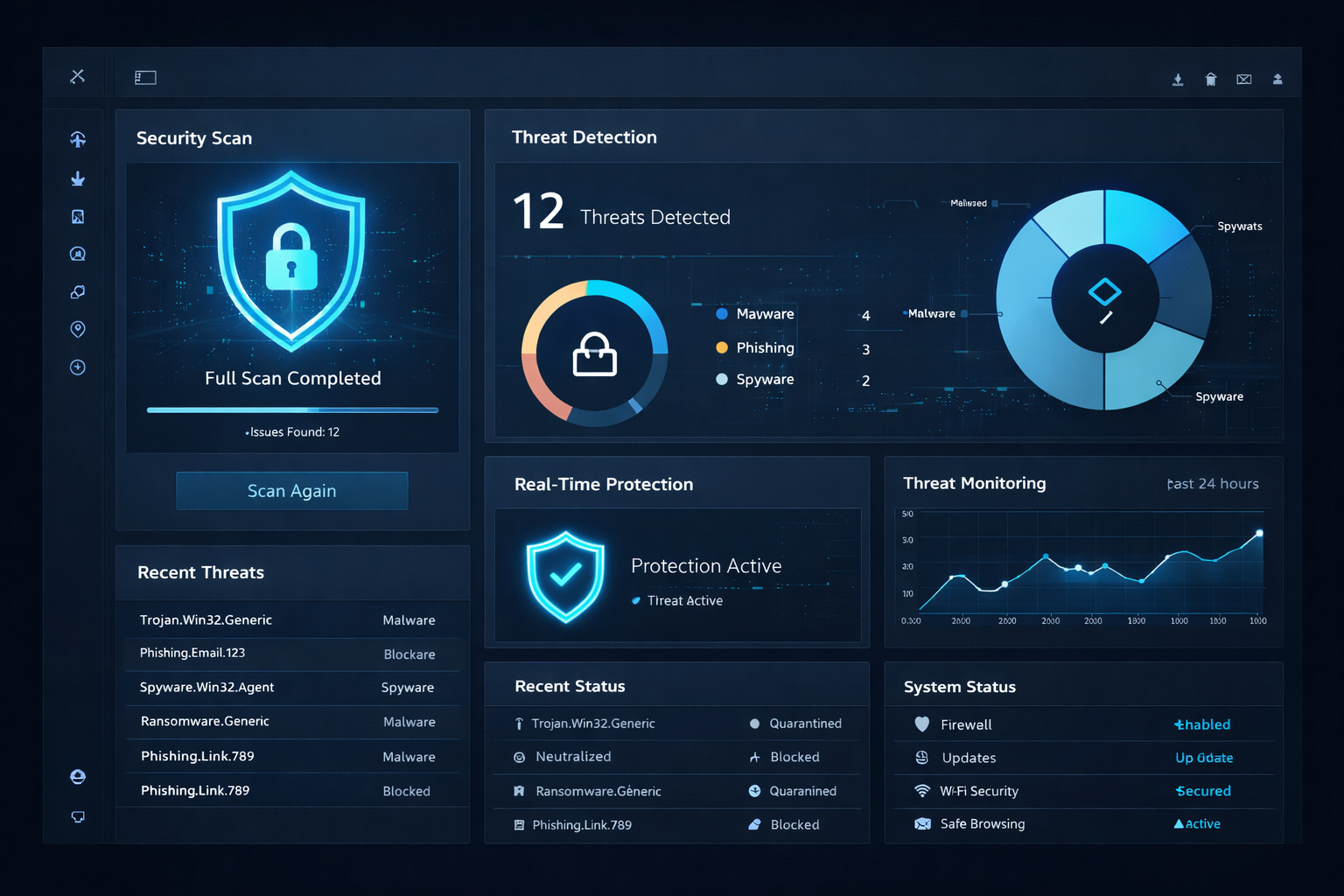
One compromised account can lead to fraudulent transfers, exposed files and damaged trust.
Human Error: The Attack Vector AI Exploits Best
When we talk about human error in cybersecurity, the immediate reaction is often to ask who clicked the wrong link. But modern cyberattacks are not always successful because employees are careless. They do not have to be reckless for a business to be compromised — they simply have to encounter an attack convincing enough to exploit their normal routines.
AI has made this dynamic significantly more dangerous. Attackers now use artificial intelligence to craft emails that perfectly mimic writing styles, reference real projects, and arrive at the exact moment they are most likely to succeed. The most dangerous element of human error in cybersecurity is that it can happen to anyone — even the most careful employees.
RytPik’s analysis of human error in cybersecurity identifies five specific ways employees get hacked despite doing everything right:
- AI-generated phishing emails that are nearly impossible to distinguish from legitimate communications. The fix: train employees to verify requests through a second channel and never rely on email alone for payment instructions.
- Password reuse across accounts, which means a single breach can expose everything — email, banking, customer data and internal systems. The fix: enforce unique passwords, implement a password manager and turn on MFA everywhere.
- Ignoring software updates, which leaves known vulnerabilities open. In 2025, 56% of tracked vulnerabilities were exploited without any login needed — attackers simply found unpatched software and walked straight in.
- Using insecure devices and networks, especially with remote work expanding the attack surface dramatically. The fix: require endpoint protection on all devices and use a VPN or Zero Trust Network Access for remote connections.
The data supports this concern. According to RytPik’s research, 86% of SMBs encountered at least one cybersecurity incident in the past year, with human error being the leading cause.
Five Security Priorities to Implement Now
The future of AI remains uncertain. The need for stronger business cybersecurity and effective ai slowdown cybersecurity practices does not.
1. Protect Identity Everywhere
Passwords alone are no longer enough. Require multi-factor authentication across company email, accounting platforms and cloud environments. Where practical, consider phishing-resistant passkeys for high-value accounts. IBM found that organizations that leaned on AI and automation for security saved an average of $1.93 million per breach — making AI a core cost control rather than a discretionary line item.
2. Limit Access
Apply least-privilege access controls so employees and external vendors only reach the information required for their work. CISA’s guidance on agentic AI emphasizes avoiding broad or unrestricted access, especially to sensitive data or critical systems, and beginning with low-risk, non-sensitive use cases. If one account is compromised, limiting its permissions can reduce the attacker’s ability to reach critical systems and confidential files.
3. Train Employees for AI-Driven Deception
Traditional training focused on obvious typos, suspicious links and unfamiliar email addresses. Today, employees must also verify urgent payment requests, changed banking instructions, unexpected document-sharing invitations and messages that appear to come from executives or suppliers. For sensitive requests, use a separate and trusted communication channel — such as calling a verified phone number.
4. Monitor Abnormal Behavior
Security teams should look for unusual activity across business accounts and systems. Examples include logins from unexpected locations, large off-hours downloads, unusual forwarding rules, new payment details or sudden changes in account permissions. Only 18% of organizations point AI agents at vulnerability management, meaning most defenders reach for AI after suspicious activity appears — while attackers use it first, to find the opening.
Early detection can make the difference between a contained incident and a major business interruption.
5. Maintain Clean Backups and Recovery Plans
Keep secure, isolated backups of essential business data. Do not assume that having a backup automatically means the business can recover. Recovery procedures should be tested regularly so employees know how to restore operations when systems become unavailable.

Preparation is the advantage no competitor can take from you.
How RytPik Protects Your Business
Businesses do not need enterprise-sized budgets or overly complex technology to improve their cybersecurity.
RytPik helps small and growing businesses build practical protection around the systems they already rely on every day, incorporating an expert ai slowdown cybersecurity perspective.
That includes identity and access reviews, employee security awareness, behavioral monitoring, business system assessments and recovery planning. We help businesses understand where they are exposed — including the gaps that do not look like gaps.
You cannot control how quickly global AI development moves. But you can control whether your business is prepared for the risks that follow by adopting a solid ai slowdown cybersecurity posture.
We do not prepare because catastrophe is guaranteed.
We prepare because vulnerability is optional.
Frequently Asked Questions
Q: Why are AI leaders debating a slowdown?
Some AI leaders are concerned that advanced capabilities may be developing faster than safety testing, governance and security controls. Dario Amodei’s essay proposed a three-point plan including independent monitoring of AI models, industry-wide regulation and global regulation. The debate is largely about pacing and responsible development — not necessarily ending AI innovation.
Q: How can AI increase cybersecurity risks?
AI can help attackers create more convincing phishing campaigns, personalize scams, imitate trusted people, accelerate target research and automate parts of an intrusion. IBM’s 2026 report found that AI-driven attacks rose 56% over the previous year and added roughly $1 million to the average breach cost. Read our guide on human error in cybersecurity →
Q: Are small businesses targets for AI-enabled attacks?
Yes. Small businesses often hold valuable customer data, payment information and cloud access. AI can make it easier for attackers to target many businesses at once, regardless of company size. RytPik’s guide on business cybersecurity risk in 2026 explains how stolen credentials allow attackers to log in rather than break in.
Q: How does RytPik help businesses prepare?
RytPik helps identify security gaps and strengthen identity protection, employee awareness, monitoring, access controls and backup recovery planning. Our analysis of human error in cybersecurity provides actionable guidance on the five most common ways employees get hacked.
Get Protected With RytPik
The businesses best prepared for cyber threats are not necessarily those with the biggest technology budgets. They are the businesses that understand their exposure and address weaknesses before attackers discover them.
Find the gaps before attackers do.
RytPik — Helping Businesses Grow with Confidence Through Enterprise-Grade Cybersecurity.
Explore more RytPik resources: