When people imagine a cyberattack, they picture someone breaking through a firewall — a hacker attacking a server with lines of code scrolling across a screen. But the biggest business cybersecurity risk isn’t always someone breaking in from the outside.
That’s increasingly not how businesses get compromised.
Sometimes, the attacker doesn’t break in.
They log in.
They use a stolen password, a compromised Microsoft 365 account, legitimate employee credentials, a session token, or an account nobody remembered to disable.
Suddenly, the attacker isn’t outside the business anymore.
They’re inside.
At RytPik, we help businesses understand where they’re exposed — including the gaps that don’t look like gaps. Here is what every business owner needs to know about identity management and modern business cybersecurity risk in 2026.

Nobody broke the door. They already had the key.
Table of Contents
The Password Is Becoming the New Front Door: A Growing Business Cybersecurity Risk
Businesses have spent years protecting their networks while overlooking a simpler question:
Who can actually log in?
Employees now work from laptops, phones, cloud applications and remote locations. Email may live in Microsoft 365 or Google Workspace. Documents may sit in cloud storage. Accounting, customer relationship management and project management may all run through separate online platforms.
The traditional business perimeter has changed.
That makes identity one of the most important parts of modern cybersecurity.
A stolen username and password can look completely legitimate to a system.
That’s precisely what makes them a major business cybersecurity risk.
Read about thinking like a cybercriminal →
The attacker doesn’t need to break in. They just need to log in.
The Most Dangerous Account May Be the One Nobody Is Watching
Consider what happens when an employee leaves.
Their laptop gets returned. Their email may be disabled. But what about every other application they had access to?
Cloud storage. Accounting software. Customer databases. Project management platforms. Third-party applications.
If access isn’t properly removed, an old account can create an unmanaged business cybersecurity risk.
The same problem can exist with contractors, temporary employees and shared credentials.
Security isn’t only about knowing who should have access. It’s knowing who still has it.

Identity and access management is the new front line of business cybersecurity.
The People Who Already Have Access
This is where cybersecurity becomes more complicated.
An attacker doesn’t necessarily need administrator privileges on day one.
They may begin with an ordinary employee account.
An employee receives a convincing phishing message, enters their credentials and unknowingly hands an attacker legitimate access. The attacker can then examine emails, documents, invoices and internal conversations while looking for additional opportunities.
The attack can develop from there.
Nothing has been “hacked” in the way most people imagine.
The attacker simply exploited a hidden business cybersecurity risk using access that looked legitimate.
Read our guide on AI deepfakes and scams →
The New Security Question
For years, businesses asked:
“How do we keep hackers out?”
In 2026, there’s another question businesses need to ask:
“If someone gets legitimate credentials, what can they actually reach?”
According to research and security guidelines from CISA’s cybersecurity best practices, addressing this critical business cybersecurity risk through identity-first policies is essential to preventing credential compromise across modern organizations.
Multi-factor authentication matters. So do least-privilege access, employee awareness, secure password practices, account monitoring and rapid removal of former employees’ access.
The objective isn’t to assume employees are threats.
It’s to make sure one compromised identity doesn’t become the keys to the entire business.
Read about small business cybersecurity threats vs. inflation →

One compromised identity can become the keys to your entire business.
This Is Where RytPik Comes In
This is exactly the kind of gap RytPik helps small and growing businesses identify.
A dental office may need to control access to patient systems.
An accounting firm may need to protect financial platforms.
A law office may need to restrict access to confidential client files.
A contractor may need to secure cloud-based project systems.
The technology is different in every business, but the principle remains the same:
Know who has access. Know what they can reach. Know when something doesn’t look right.
RytPik helps businesses minimize business cybersecurity risk and strengthen these foundations without requiring an enterprise-sized security department.
Because modern cybersecurity isn’t simply about building a higher wall.
It’s about making sure the keys are in the right hands.
Read more about common security gaps →
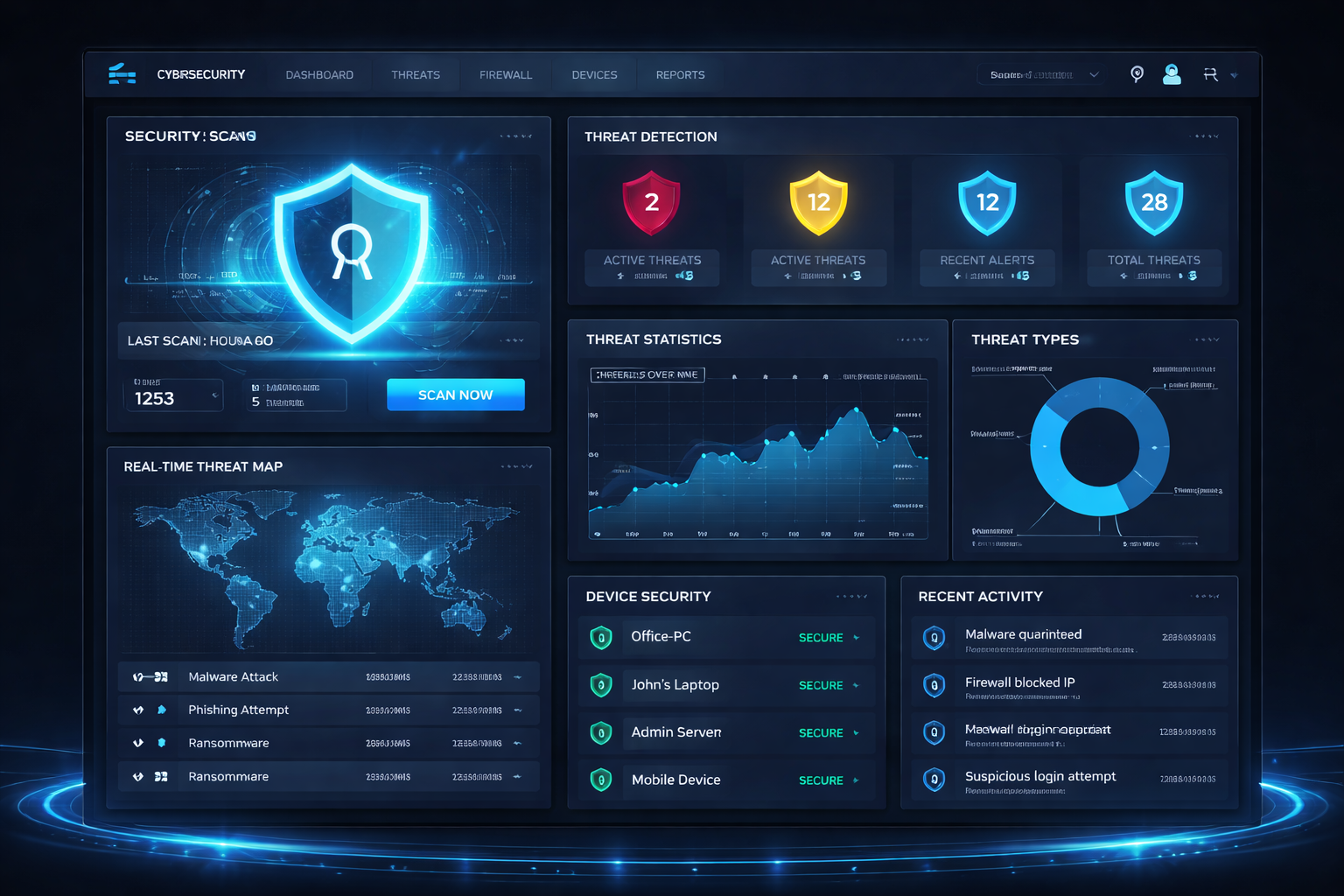
Continuous monitoring helps you spot unusual access before it becomes a problem.
You don’t have to break in when someone already has the keys.
The next major cybersecurity problem for many businesses may not look like a dramatic attack. It may look like a completely normal login.
Protect the accounts. Protect the access. Protect the business.
Frequently Asked Questions
Q: Can a business be hacked without a traditional network attack?
Yes. Attackers can use stolen credentials, compromised accounts, phishing and other techniques to gain legitimate-looking access without directly attacking the network.
Q: Why is employee access important for cybersecurity?
Employees often have access to email, cloud platforms, customer information and business systems. If an account is compromised, attackers may use that legitimate access to move deeper into the organization.
Q: What happens when an employee leaves?
Their access to business systems should be removed promptly. Businesses should also review third-party applications, cloud platforms and shared accounts connected to their role.
Q: How can RytPik help?
RytPik helps businesses identify security weaknesses and strengthen areas such as access controls, authentication, employee awareness and practical cybersecurity processes. Read about AI and online trust in 2026 →
Get Protected With RytPik
The businesses best prepared for cyber threats are not necessarily those with the biggest technology budgets. They are the businesses that understand their exposure and address weaknesses before attackers discover them.
Find the gaps before attackers do.
RytPik — Helping Businesses Grow with Confidence Through Enterprise-Grade Cybersecurity.
Explore more RytPik resources:



[…] and can be placed in public areas or even positioned over legitimate QR codes. As our guide on business cybersecurity risk in 2026 explains, the attacker does not need to break in — they just need to log […]
[…] in Canada incident — and it’s why antivirus software never sees it coming. Our guide on business cybersecurity risk in 2026 explains why the attacker rarely needs to break in — they just need to log […]
[…] convenience can outlive the reason it was granted. It’s the same pattern that quietly expands business cybersecurity risk in 2026 — one harmless shortcut at a […]
[…] Each component can look adequate on its own. Together, they may leave a business exposed. This mirrors the hidden access issues we explored in business cybersecurity risk in 2026. […]
[…] If a client asks how their records are handled, your business should be able to give a clear answer — not just name the software provider. This is closely tied to the same access visibility that reduces business cybersecurity risk in 2026. […]
[…] A vulnerable website does not automatically mean patient records have been stolen. However, a compromised server could expose information or provide access to connected systems, depending on its configuration and permissions. It’s the same visibility gap we explored in our guide on business cybersecurity risk in 2026. […]
[…] customers, revenue and reputation. It’s the same pattern we explored in our guide on business cybersecurity risk in 2026 — the attacker rarely needs to break in if they can find an overlooked […]