Your inbox arrives with a message from your CEO. The tone is unmistakably urgent. The grammar is perfect. The domain looks right. Your finger hovers over the link.
Months ago, you would have opened it without thinking twice. Today, you pause. In that pause, you recognize something unsettling: AI-powered phishing has made it almost impossible to trust what you are seeing in your inbox.
This is the new reality of cybersecurity in 2026. And if you’re feeling uneasy about it, you’re not alone.
Sophisticated AI-powered phishing campaigns bypass traditional email filters.
Table of Contents
The Numbers Behind AI-Powered Phishing
Phishing remains the #1 entry point for cyberattacks. Not ransomware. Not zero-day exploits. Phishing. According to the Verizon Data Breach Investigations Report (DBIR), social engineering accounts for 36% of all confirmed breaches.
But here’s what keeps security professionals awake at night: the threats are getting exponentially smarter. AI-powered phishing messages now pass strict automated grammar checks, mirror your boss’s precise writing style, and reference ongoing corporate projects. They feel real because they are generated from real data context.
Key Security Insight:
A recent industry survey revealed that 72% of workers say email scams are significantly more convincing today than a year ago due to AI-generated language tools.
This isn’t paranoia. This is the honest assessment of security teams watching AI-powered phishing evolve faster than traditional security awareness training can adapt.
The Human Cost of Digital Mistrust
We often talk about social engineering in technical terms — payloads, malware delivery, and credential harvesting. But there is a heavy psychological toll behind AI-powered phishing tactics.
These attacks don’t just compromise data; they compromise workplace trust. They make staff hesitate before clicking routine links from long-term colleagues and create continuous workplace anxiety — a persistent fear that any communication could be an impersonation attempt.
Asking employees to rely solely on human sight to spot hyper-realistic scams creates unsustainable stress.
When an employee receives an urgent message demanding immediate access to sensitive files that looks genuine down to the signature block, that creates a moment of panic. Asking teams to maintain perfect vigilance against synthetic threats puts an unrealistic burden on human observation.
Why AI-Powered Phishing Is Different
Traditional malicious emails were easy to spot: broken grammar, awkward phrasing, and generic urgency. “Click here immediately or your bank account will be suspended!”
AI-powered phishing operates on a completely different level. It learns. It adapts. Malicious models analyze company communication styles and mimic them precisely, incorporating industry jargon and business workflows effortlessly.
- Hyper-Personalization: AI tools generate hundreds of personalized messages in seconds using data scraped from LinkedIn, corporate sites, and public records.
- Context Awareness: Attacks reference active vendors, actual project names, and real executive schedules.
- Flawless Syntax: Large language models eliminate typos and awkward phrasing that used to trigger spam filters.
When your employees hesitate over an email, they aren’t being overly cautious — they are recognizing that the line between genuine and fake communication has blurred.
The Guilt That Comes With a Security Mistake
When an employee inadvertently clicks a malicious link, shame usually follows. “How could they miss that?” “Didn’t we complete security training last month?”
That guilt is misplaced. This is not a failure of employee intelligence; it is a failure to recognize that human observation alone cannot stop AI-powered phishing. No amount of standard security awareness training fully prepares someone for messages engineered specifically to deceive human perception.
Rethinking Defense:
Expecting perfect human detection against automated, AI-driven scams is a strategy built to fail. True defense requires technical safety nets.
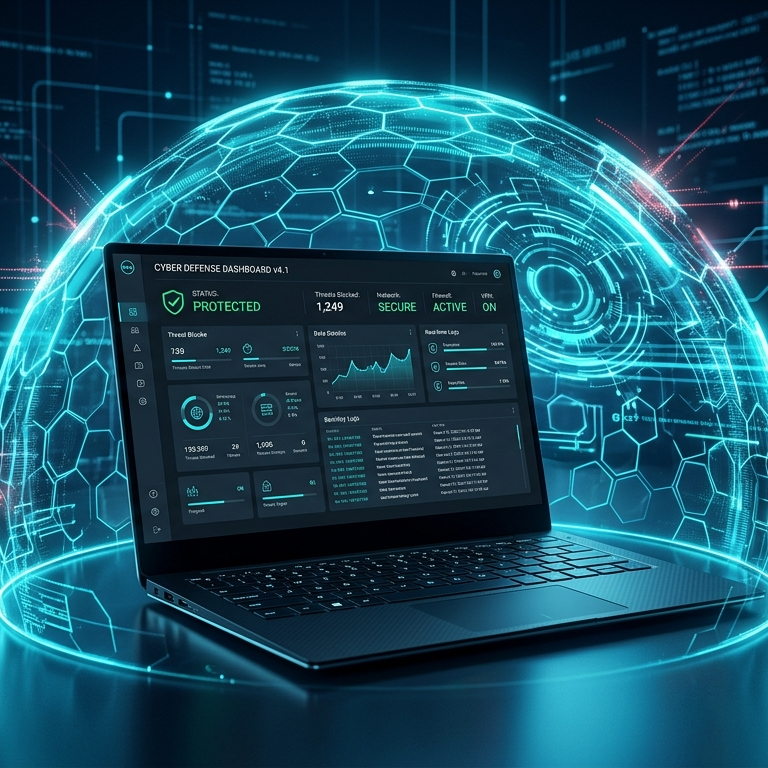
Modern defense relies on technical guardrails rather than human intuition alone.
What Organizations Need to Understand
This is about facing reality. AI-powered phishing attacks are evolving faster than organizations can train against them. When staff can no longer trust a message appearing to come from their own leadership, the baseline security model must change.
Acknowledging this anxiety isn’t paranoia — it is a rational response to an evolving threat landscape. The security strategy must shift from blaming users to surrounding them with automated technical defenses.
Moving Forward With Honesty and Real Defense
Your team needs more than awareness slides; they need robust defense systems. To neutralize AI-powered phishing, organizations must implement layers that don’t depend entirely on human split-second choices:
- Phishing-Resistant MFA: Deploy security keys or FIDO2/WebAuthn protocols that cannot be intercepted by adversary-in-the-middle proxy attacks.
- AI Email Defense: Utilize advanced email security solutions that analyze behavioral anomalies and header authentications rather than text alone.
- Automated Endpoint Protection: Maintain proactive monitoring so that if a link is clicked, malicious payloads are blocked instantly.
Stop asking employees to be perfect detection engines against AI tools designed to trick them. Partner with RytPik to deploy intelligent defenses that protect your business automatically.
Protect Your Team Against AI-Powered Phishing
RytPik helps small and medium businesses implement technical safeguards that stop sophisticated email threats before they hit the inbox.
Frequently Asked Questions
Q: What is AI-powered phishing?
AI-powered phishing refers to social engineering attacks that utilize artificial intelligence and machine learning models to craft highly convincing, personalized, and error-free messages designed to bypass human detection and spam filters.
Q: Why are conventional email spam filters failing against AI phishing?
Traditional filters often look for known malicious links or bad formatting. AI-generated emails use clean grammar, original context, and newly created domains that easily pass basic reputation checks.
Q: How can businesses defend against AI-powered phishing?
Effective defense requires combining phishing-resistant Multi-Factor Authentication (MFA), automated AI-based email filtering, strict DMARC/DKIM email authentication policies, and continuous network monitoring.
Q: How does RytPik protect my company from sophisticated email scams?
RytPik deploys managed security tools, DNS filtering, and advanced endpoint security that catch social engineering attacks automatically, taking the pressure off your employees. Learn more about our approach in our small business cybersecurity guide →
Build True Security with RytPik
RytPik — Enterprise-grade email defense and threat management for modern businesses.
Explore more guides from the RytPik security team: